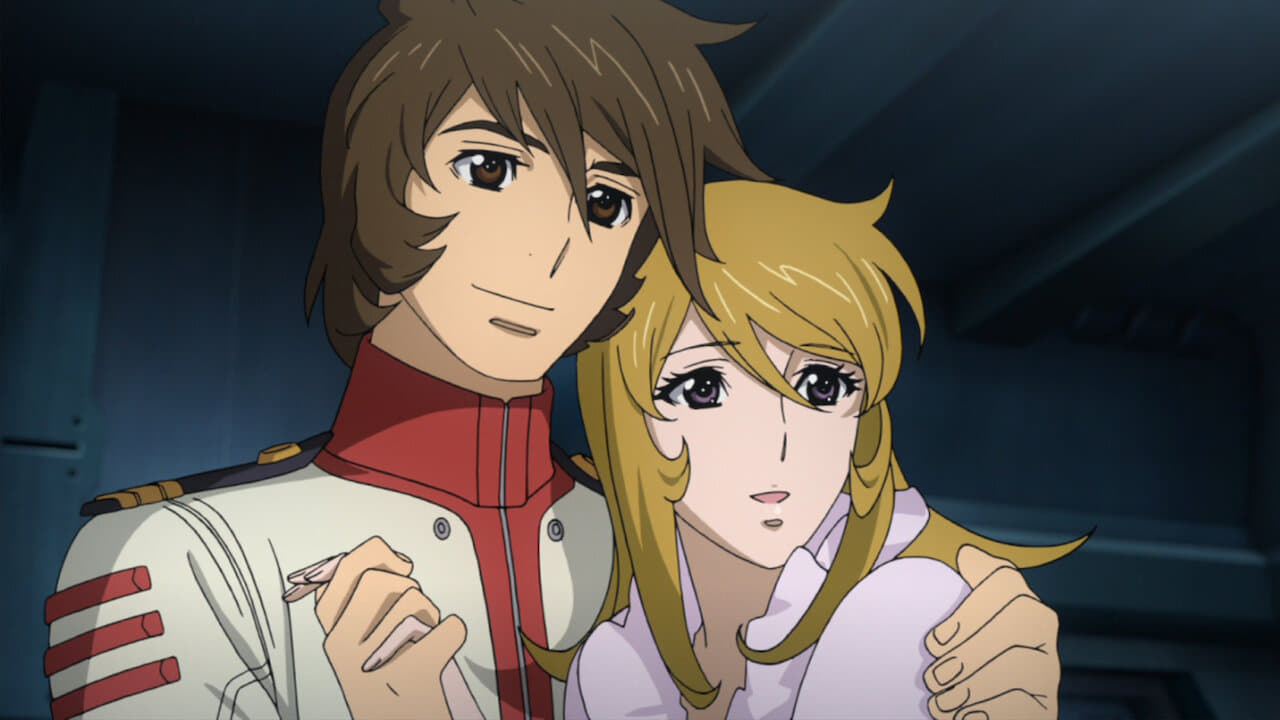
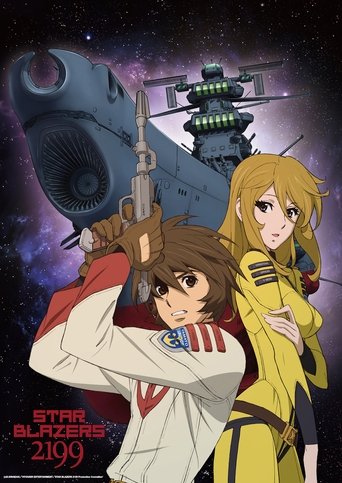
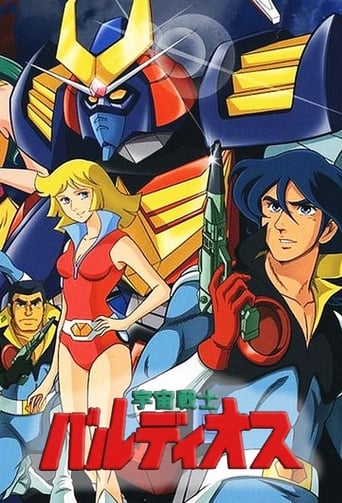
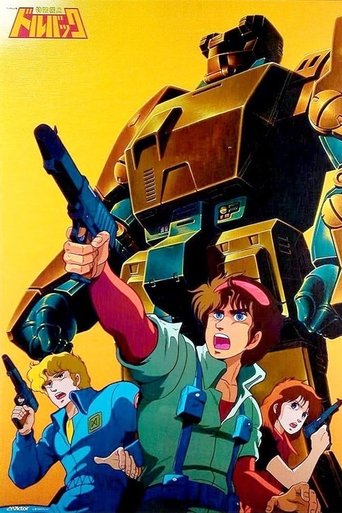
The year is 2199. The human race has been crushed in their war with the Gamilos, driven into underground cities by the invader's assault. Scientists estimate they have only a year left. The young officers Susumu Kodai and Daisuke Shima receive a mysterious capsule from a ship that made an emergency landing on Mars and return with it to Earth. It contains humanity's last hope: the planet Iscandar on the other side of the Magellan Galaxy has the technology to defeat the Gamilos and restore the planet. The space battleship Yamato is entrusted with this task, but they have only one year before humanity ends.
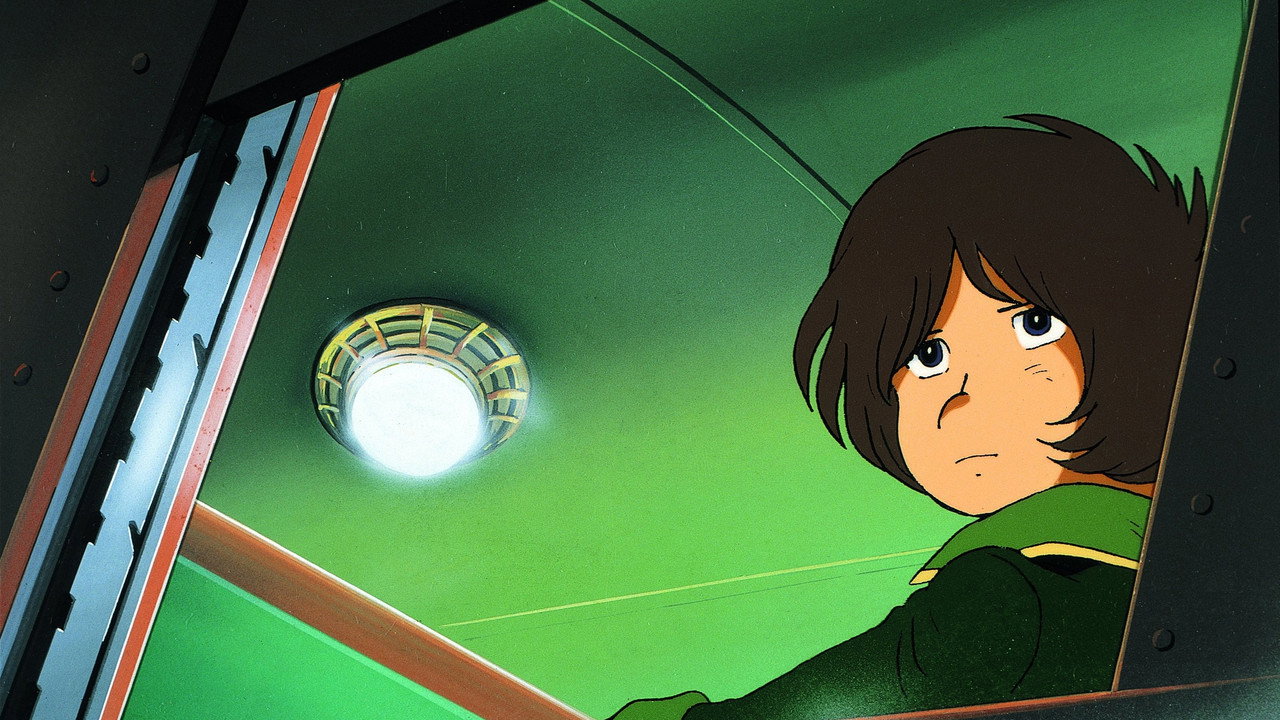
In the future, one can achieve immortality by obtaining a mechanized body. Orphaned, young Tetsuro hitches a ride on the space train Galaxy Express 999 in the hope of obtaining a cyborg body to avenge his mother's death. Along the way, he meets Maetel, who is the spitting image of his dead mother.
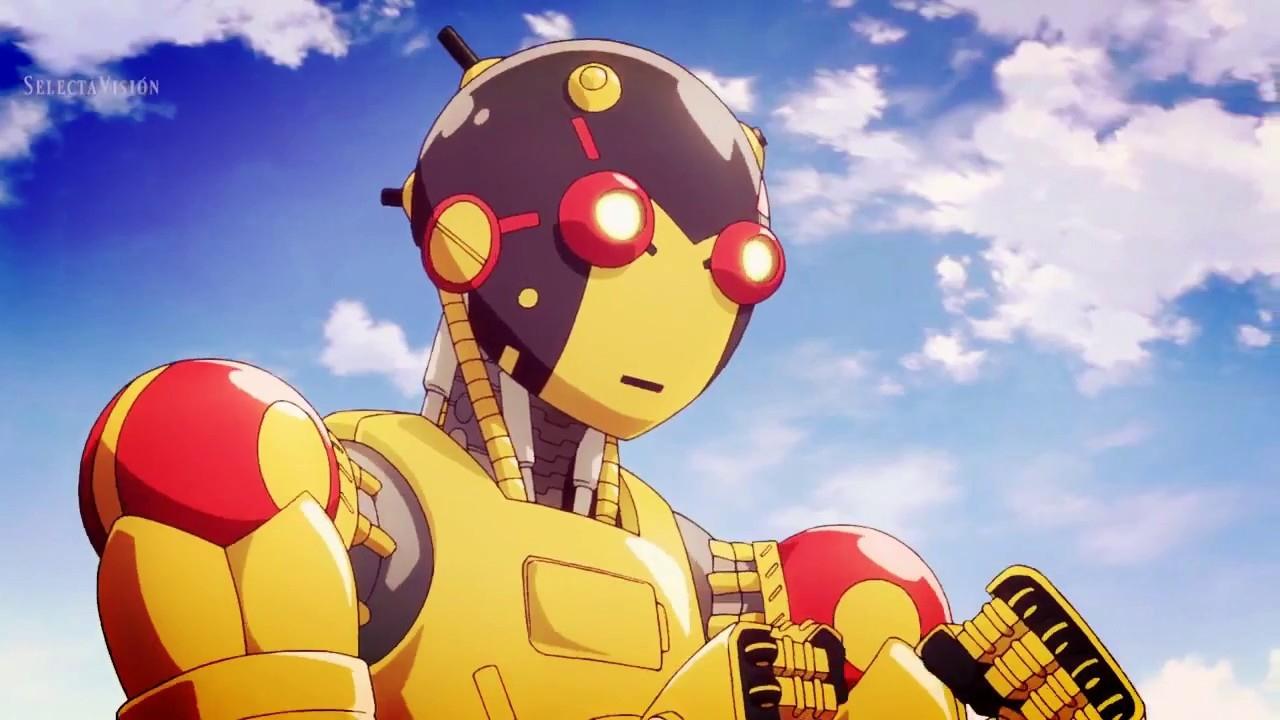
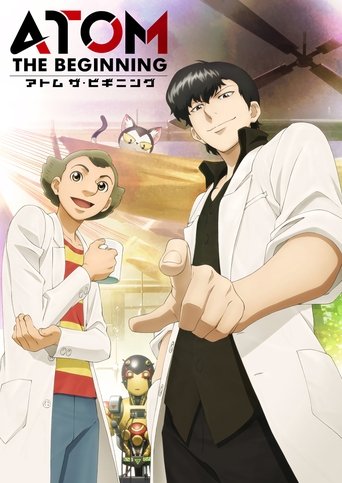
Japan in the near future suffers an unexplained major disaster. Five years later, reconstruction is well underway. Two young researchers at a university are pinning all their hopes on robot development. Now their new interpretation of the eternal hero Astro Boy up until his birth is just about to start!
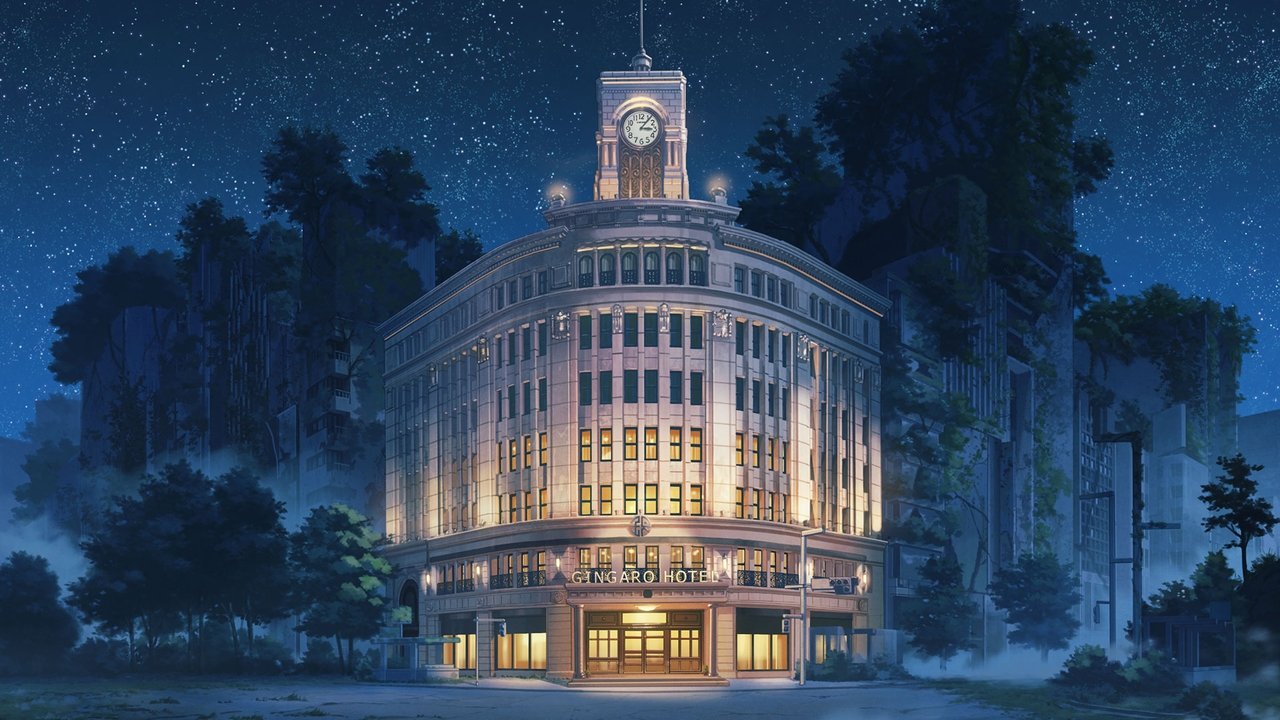
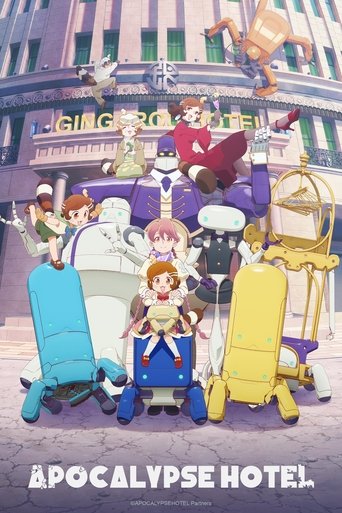
Following the collapse of civilization, one storied hotel stands among the ruins of Tokyo’s Ginza district. Overrun by nature, this lone hotel continues to defy humanity’s collapse. Current guests: zero. Check-ins scheduled today: zero. Yesterday’s website traffic: zero. Enter with caution in this story of survival and mystery in a world where the memory of humanity begins to fade.
AniFlix: sci-fi, mecha and cyberpunk anime, and where to watch them
From Space Battleship Yamato 2199, Galaxy Express 999 and Space Cobra to Gundam, Macross and VOTOMS, from Getter Robo and GaoGaiGar to Appleseed, Beatless and Atom: The Beginning, and from time-slip adventures to quiet stories among the stars. Pick a title and press Watch now.
AniFlix: sci-fi, mecha and cyberpunk anime, from Space Battleship Yamato 2199, Galaxy Express 999 and Space Cobra to Gundam, Macross, Getter Robo and Appleseed
AniFlix started life as a lively Hindi anime streaming site with a charcoal page, a dark header bar, a red menu button, a big spotlight banner and rows of rounded posters that glowed red when you pointed at them. The new AniFlix keeps that look, from the round red arrows on the banner to the white uppercase row headings with their bold red bars, and gives the site a clear focus: science-fiction anime. Here you will find starships and space pirates, mobile suits and super robots, cyborgs, androids and neon cities, time slips and alternate histories, friendly aliens for younger viewers and quiet, thoughtful stories set among the stars.
Every title has its own page with the story, the studio, the voice cast and, for series, every episode with its air date, plus a Watch now button that opens it on the official services in your country. The guide gathers more than two hundred and thirty series and films, from the 1970s classics that invented the genre on Japanese television to the newest robot shows and Chinese science-fiction donghua. Each one was chosen by hand.
This page explains how AniFlix is built, what each part of the design does and what waits on each shelf. It also suggests some viewing routes through the genre and points to the short guides that answer everyday questions about subtitles, devices, free viewing and saving titles for later.
The AniFlix design
The design is measured from the archived aniflix.me home page, captured on the first day of 2025. That site built its rows with scripts, so the archive keeps the style sheet rather than the posters, and every colour and shape here comes from those rules. The page is a deep charcoal, #1C1C1C, and the header bar is a slightly lighter #2A2A2A with softly rounded top corners. The accent is a pure, bright red. On the original it was #FF0000; AniFlix lifts it a touch to #FF1F1F so that white text on red buttons stays crisp. Red marks the menu lines, the search and profile icons, the round arrows on the spotlight banner, the bars beside every row heading and the glow that surrounds a poster when you hover over it.
The second colour is blue. The original used a bright #007BFF for the genre links in its filter panel, which turned red with a red underline when you pointed at them. On a charcoal page that blue is a little dark for comfortable reading, so AniFlix uses a lighter #3D8BFF for the same links and keeps the red hover and underline. Panels such as the filter box and the help cards sit on a faint white wash, just as the original filter panel did, with generous rounded corners.
The original set its text in Segoe UI, a system font that looks different on every device. AniFlix uses Noto Sans for text and Rajdhani for headings. Rajdhani is a squared, technical typeface with a gentle science-fiction feel, and its bold uppercase suits the big row headings.
The archive kept the page but lost the logo image, so the ANIFLIX wordmark is drawn fresh in the same red: a sharp triangular A followed by the rest of the name in bold capitals, with a thin white line beneath. The favicon shows the same red A on a charcoal tile.
The header and the spotlight banner
The header bar stays at the top of the screen as you scroll. On phones and tablets it opens with the red menu button, three short red lines that slide out a panel with every link and a search box. On wide screens the site-wide links appear in the bar itself: Home, Series, Films, Robots, Browse and About, each gaining a red underline when you point at it or when you are on that page. On the right sit the search box, rounded like a capsule, and a red profile icon that opens My List, the place where your saved titles live.
Below the header comes the spotlight, a full-width banner that fills much of the screen. Five titles take turns here: Star Blazers: Space Battleship Yamato 2199, Galaxy Express 999: The Movie, Appleseed, Atom: The Beginning and Apocalypse Hotel. Each slide shows a wide still from the title, fading into the charcoal page at the edges, with the title in large letters and a red line beneath it, three lines of the story and two buttons: a red Watch now and a translucent Details. In the corner, round red arrows and a row of small dots let you move between the slides, and on a phone you can simply swipe.
Under the banner, a short heading block introduces the site with the main heading of the page, a line of the best-known titles and two outlined red buttons that lead to the space opera shelf and the cyberpunk shelf.
Rows, tiles and the shelf panel
The heart of the home page is a stack of rows, just as on the original. Each row has a big white heading in uppercase, spaced out a little, with a thick red bar to its left, and a View all link on the right that opens the full shelf. The first row, Trending, shows the most popular titles in the guide right now. The second, Greatest of all time, lists the titles that the largest number of viewers have rated. After them come the themed rows: space opera, real robots, super robots, cyberpunk and androids, time travel, quiet sci-fi and the top-rated titles.
Each row scrolls sideways, so you can swipe through fourteen posters on a phone or scroll along them on a computer. The posters are tall rounded tiles, and when you point at one it lights up with a soft red glow and a red strip slides up from the bottom with the score, the year and either the number of episodes or the word Film. The title sits in bold white beneath each tile.
Further down comes the Filter by shelf panel, a rounded box on a faint white wash with its heading underlined in red. It holds every shelf on the site as a bold blue link, from space opera and Gundam to time travel, the three eras and the top-rated titles, and each link turns red with a red underline when you point at it. Then comes a grid of help cards, one for each guide, followed by this article and the footer. The footer is a rounded translucent panel with the wordmark, a short red bar, a line of links and a few words about the site.
Space opera
Space opera is where Japanese science-fiction animation began to grow up. In the 1970s, a battleship rising from the ocean floor to fly across the galaxy showed that a cartoon could carry the weight of a war story, and a boy riding a steam train through the stars showed that it could be a poem. The Space opera shelf gathers close to fifty titles, and the space opera guide suggests where to begin.
Star Blazers: Space Battleship Yamato 2199 is the best modern entry point. It retells the classic 1974 story for a new generation: in 2199, Earth is dying under a bombardment from the Gamilas empire, and the last hope is the battleship Yamato, rebuilt with an alien engine and sent on a round trip of more than three hundred thousand light-years to fetch a device that can restore the planet. The series runs to two seasons and keeps the original's sense of sacrifice and wonder while giving the crew, and their enemies, much richer lives. The older films show where it came from: Farewell to Space Battleship Yamato sends the crew against the Comet Empire, Final Yamato closes the original saga, Space Battleship Yamato Resurrection returns in 2009 with a new generation and Yamato 2520 imagines a distant successor ship.
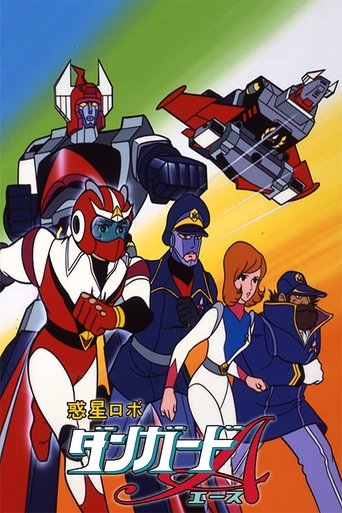
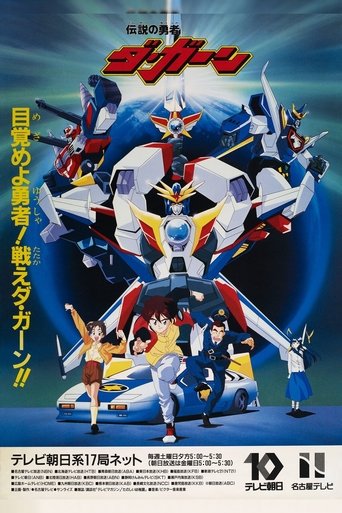
Leiji Matsumoto, who designed the original Yamato, also created two of anime's most romantic heroes. Galaxy Express 999: The Movie, directed by Rintaro, follows the orphan Tetsuro as he boards a train through space with the mysterious Maetel, hoping to earn a free machine body at the end of the line and learning along the way what it means to stay human. Galaxy Express 999: Eternal Fantasy continues the journey. Captain Harlock, the pirate with the scarred face and the skull flag, appears in Arcadia of My Youth, which tells how he came to command his ship, and in the short Space Pirate Captain Harlock: Mystery Of The Arcadia. Matsumoto's touch can also be seen in the robot series Planet Robot Danguard Ace, and Sci-Fi West Saga Starzinger retells Journey to the West among the planets.
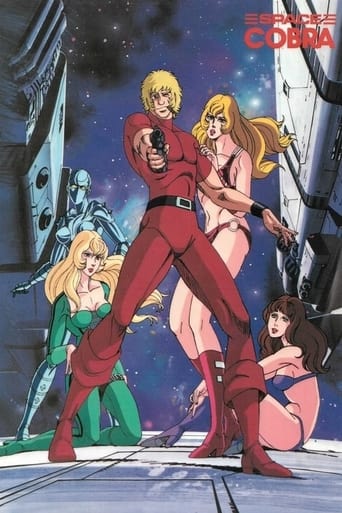
For large-scale war and politics, Legend of the Galactic Heroes: My Conquest Is the Sea of Stars introduces the two great commanders of the saga, the ambitious Reinhard of the Empire and the reluctant historian Yang Wen-li of the Alliance, and shows their first clash. For adventure with a grin, Space Cobra follows a cheerful rogue with a gun built into his arm and a loyal android partner, drawn by Osamu Dezaki with dramatic still frames and bold lighting. Odin: Starlight Mutiny sails a laser-powered ship toward a legendary planet, and Maps: Legendary Space Wanderer sends a schoolboy and his girlfriend off with a space pirate aboard a living ship.
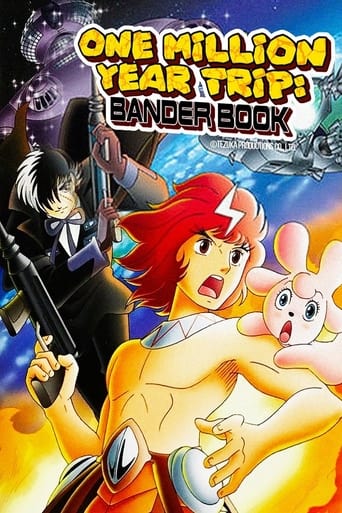
Some of the finest space stories are small ones. They Were Eleven, from Moto Hagio's manga, strands ten cadets on a drifting ship for an exam, only to find that there are eleven of them aboard. Space Fantasia 2001 Nights is an anthology of stories about humanity's slow spread through the stars across many centuries. One Million-Year Trip: Bander Book was Osamu Tezuka's first two-hour television film, and Nora is a short, playful story set on a holiday space station whose gravity fails. Arei's Mirror ~ Way to Virgin Space follows two wanderers searching for a legendary mirror.
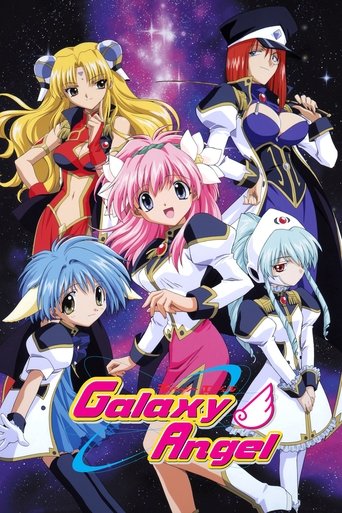
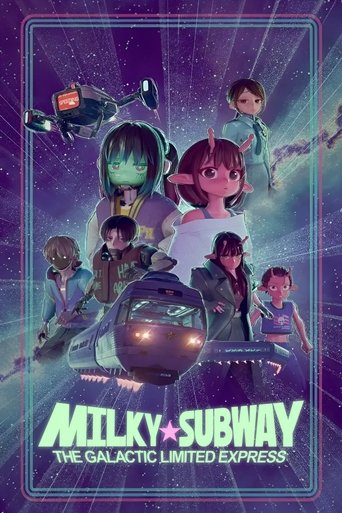
The lighter side of space is here too. Dirty Pair: From Lovely Angels with Love follows two trouble consultants whose missions always end in spectacular destruction, Galaxy Angel is a silly comedy about a squad of pilots who rarely manage to complete any mission at all, and Milky☆Subway: The Galactic Limited Express sentences a reckless driver and her cyborg friend to clean space trains, with Milky☆Highway as a short prelude. The Macross and Gundam shelves carry many more stories set in space, described in the next sections.
Real robots and the Gundam universe
In 1979, Mobile Suit Gundam changed robot anime by treating giant machines as military hardware. Its mobile suits needed fuel and repairs, came in mass-produced models and were flown by ordinary young people caught up in a war where both sides had reasons to fight. That idea, called real robot, shaped decades of anime. The Real robots shelf gathers close to sixty titles, the Gundam shelf holds the Gundam stories and the robots guide explains the difference between real and super robots.
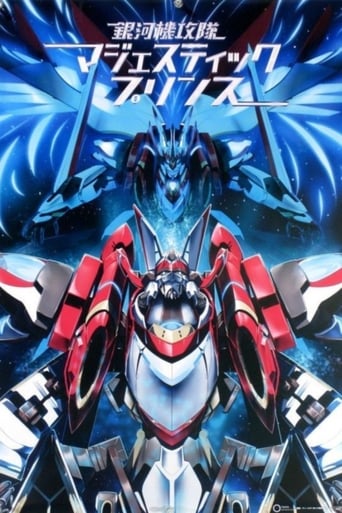
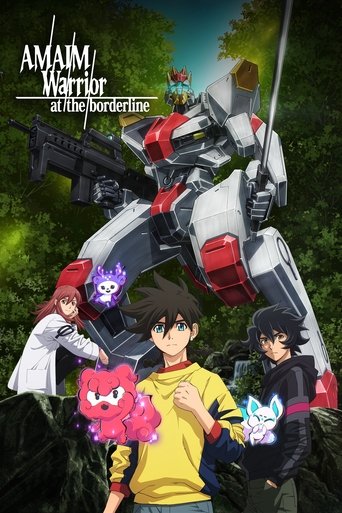
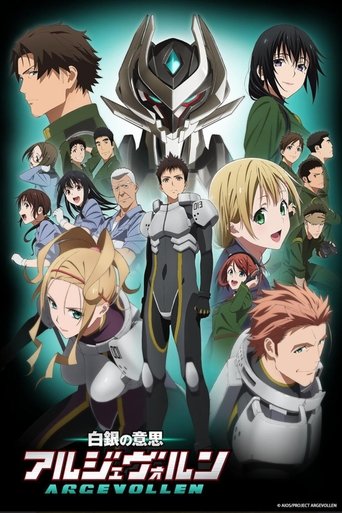
The newer titles show how varied the genre has become. AMAIM Warrior at the Borderline imagines a Japan under foreign occupation, where a boy and a friendly artificial intelligence build a robot of their own. Heavy Object follows two young soldiers who keep destroying enemy superweapons with little more than courage and ingenuity. Majestic Prince trains genetically enhanced teenagers to fight alien invaders, and Majestic Prince: Genetic Awakening concludes their story. Buddy Complex throws a schoolboy into a future war, Argevollen follows a supply-unit soldier who finds himself piloting a new machine, and Flag tells a war story entirely through the lenses of a photojournalist's cameras. Broken Blade: Scars from an Assassin's Blade and the following Broken Blade films follow a man who stands apart in a world where everyone controls quartz, and who becomes the only pilot of an ancient machine.
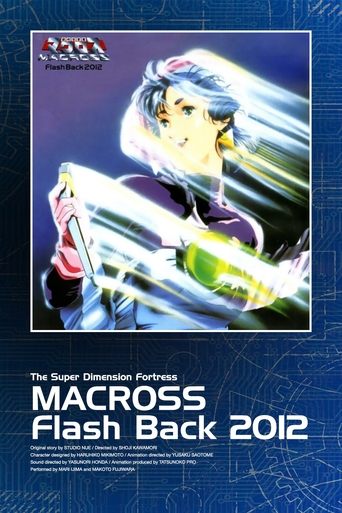
Macross is the other great real-robot saga, and it adds something unique: music. In the Macross stories, a singer's voice can matter as much as a squadron of transforming fighters, and a love triangle is always somewhere near the centre. The Macross shelf gathers five titles that show this side of the franchise. The Super Dimension Fortress Macross: Flash Back 2012 is a music film built around the farewell concert of the singer Lynn Minmay, with favourite scenes from the original series. Macross FB7: Listen to My Song! brings the rock band Fire Bomber back for a remix of their greatest moments. Macross Frontier: Labyrinth of Time is a short new story following the singer Ranka Lee on a concert tour, and Macross Delta: Passionate Walküre and Macross Delta: Zettai Live!!!!!! follow the idol unit Walküre, whose songs calm a mysterious rage spreading through the galaxy.
Super robots
Before the real robots came the super robots: gleaming giants with names shouted at the top of the lungs, special attacks announced like wrestling moves and pilots whose courage could power a machine the size of a skyscraper. Many of them combine from several vehicles into one robot, a trick that also sold a great many toys. The Super robots shelf gathers more than forty of them.
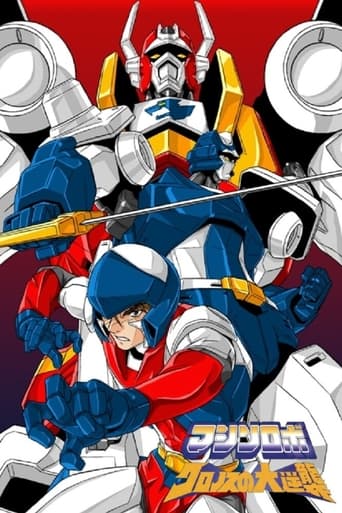
Go Nagai and Ken Ishikawa's Getter Robo is one of the wildest. Three jets combine into three different robots depending on which pilot takes the lead, and the stories grow stranger and more cosmic with every version. Getter Robo: Armageddon and New Getter Robo are energetic reimaginings, Getter Robo Go is a 1990s television series, Shin Getter Robo vs. Neo Getter Robo is a short, punchy crossover and Getter Robo Arc brings the saga to its apocalyptic finale. Nagai's Mazinger line appears in Mazinkaiser and Mazinkaiser vs Great Darkness General, and Grendizer U brings back Duke Fleed, the alien prince whose robot became a huge hit in France, Italy and the Arab world.
Japanese animation has imagined the meeting of humans and machines more deeply than almost any other art form. The Cyberpunk and androids shelf gathers more than forty titles about cyborgs, androids, artificial intelligence and neon-lit future cities, and the cyberpunk guide picks a few to start with.
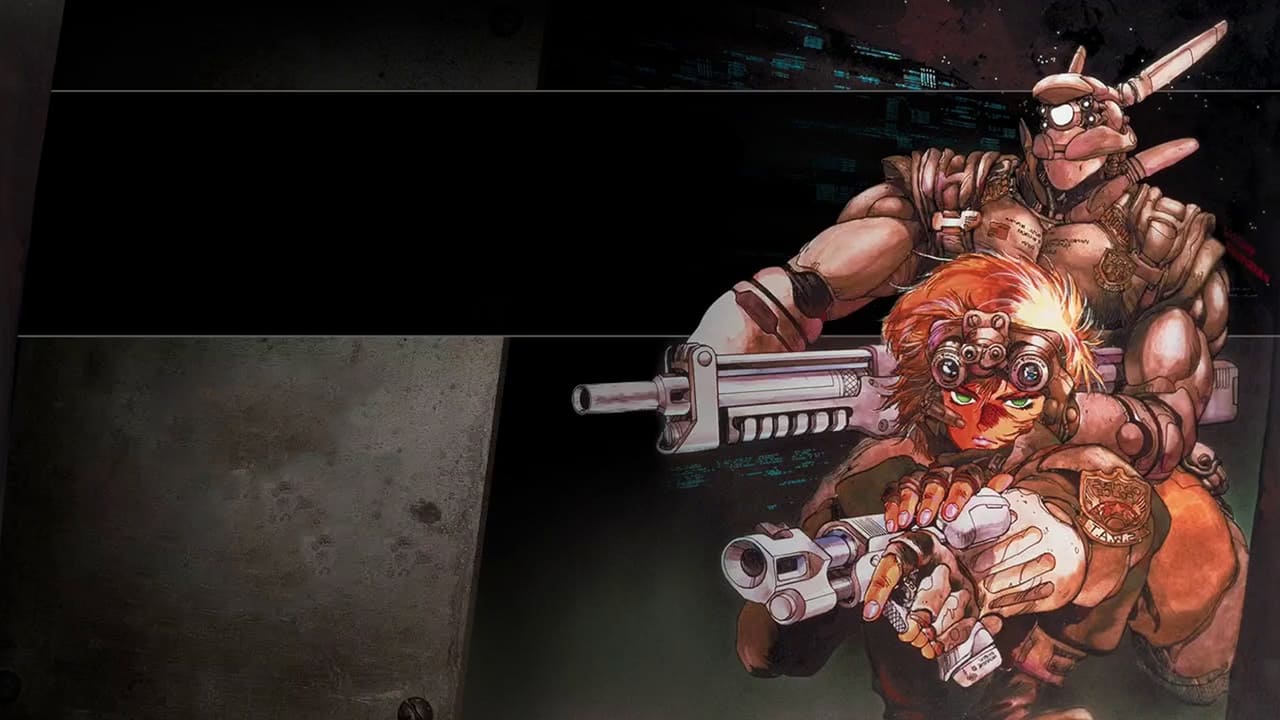
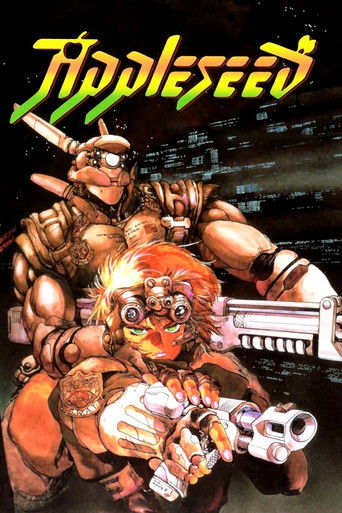
Appleseed, the 1988 film from Masamune Shirow's manga, is set in the utopian city of Olympus, built after a world war and run by a vast computer. The police officer Deunan and her cyborg partner Briareos uncover a plot against the city's peace. The final SAC_2045 film continues the Ghost in the Shell story of Major Motoko Kusanagi's unit in a world upended by economic collapse and the rise of post-human minds. Blame!, the 2003 web series, is the first animated version of Tsutomu Nihei's endless megastructure.
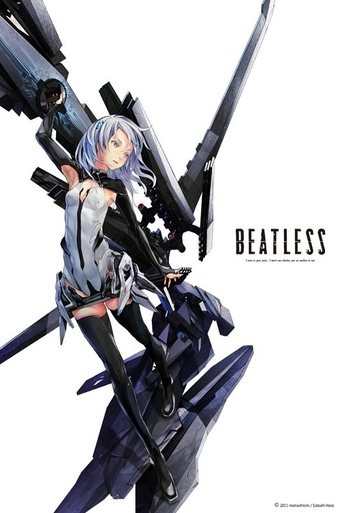
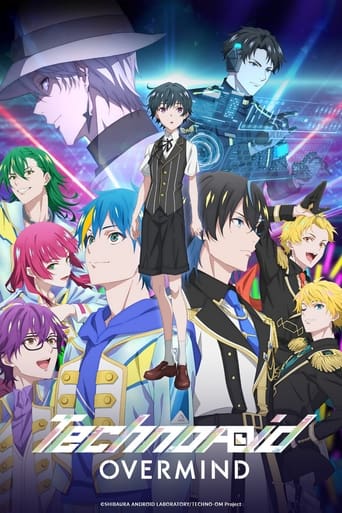
Androids are at the centre of many stories here. In Atom: The Beginning, two young scientists in a rebuilding Japan create the robot that will one day inspire Astro Boy. Beatless follows a teenager who becomes the owner of a beautiful humanoid robot with plans of her own, in a world where machines handle most of daily life. Prima Doll follows former war automata working in a small café, Technoroid OVERMIND shows four ownerless androids forming a singing group and Half-Broken Music Box is a short, gentle story about a man and his household android. Android Kikaider retells Shotaro Ishinomori's tale of a robot with an incomplete conscience, and Casshan: Robot Hunter brings back the android hero who fights to protect humanity.
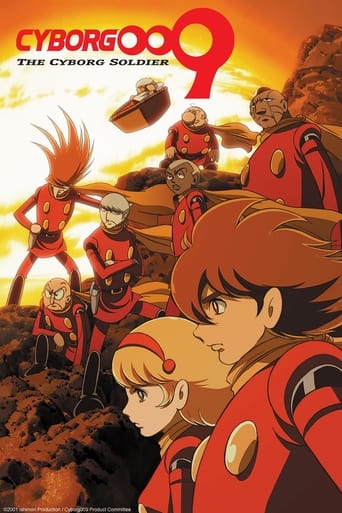
Ishinomori's other great team, the nine cyborg soldiers of Cyborg 009, appears in three versions: Cyborg 009 from 1979, Cyborg 009 from 2001 and Cyborg 009: Call of Justice from 2017. Each follows a team of people turned into cyborgs by a criminal organisation, who escape and choose to protect the world instead.
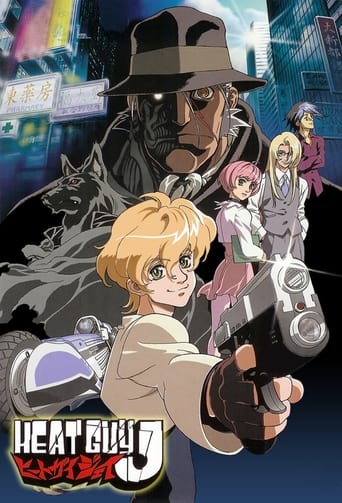
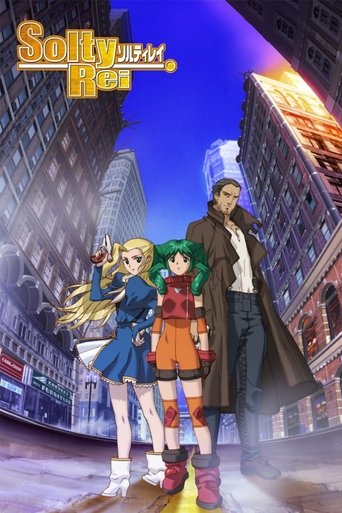
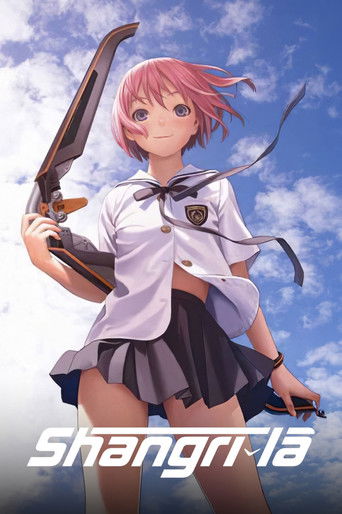
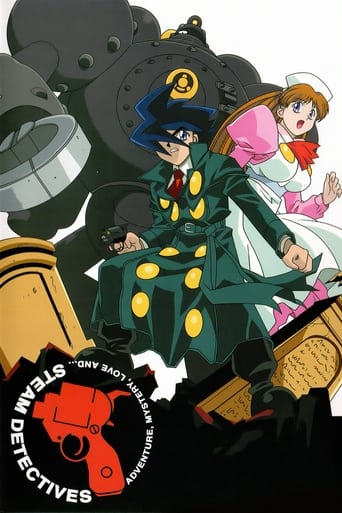
Some of the richest stories take place in future cities. Heat Guy J pairs a young special-investigations officer with a towering android partner in a city of gangs and grand festivals. Solty Rei follows a bounty hunter who takes in a girl with superhuman strength in a city scarred by disaster. Steam Detectives moves the genre into a steampunk metropolis wrapped in white mist, and Shangri-La sets its heroine against a carbon-trading empire in a Tokyo overgrown with jungle. A.I.C.O. -Incarnation- follows a girl who learns her body may have been rebuilt after a scientific disaster, and a squad of divers who enter a mass of artificial flesh to reach its source. Obsolete imagines alien traders who sell humanity cheap robotic exoframes, and Argento Soma tells a dark, moving story of an alien giant and the man who pursues it.
Time travel gives science fiction a way to visit the past and ask what would change if one thing had gone differently. The Time travel shelf gathers close to twenty titles, and the time travel guide suggests a few to start with.
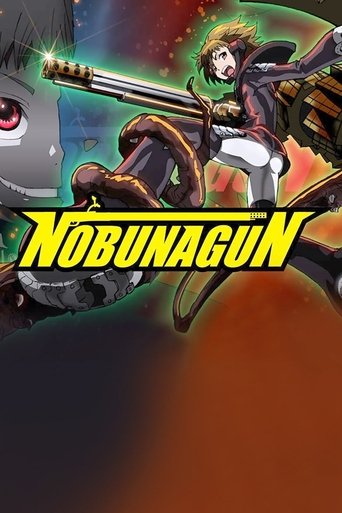
Zipang is the most ambitious. A modern Japanese naval destroyer passes through a strange storm and arrives in the Pacific in 1942, in the middle of the Second World War, and its crew must decide whether to change history or keep out of it. Nobunaga Concerto takes a lighter path: a sporty schoolboy who dislikes history finds himself in the Warring States period, where he is asked to take the place of the young warlord Oda Nobunaga. Thermae Romae follows a bath-house architect from ancient Rome who keeps slipping through time into modern Japanese baths and taking their ideas home.
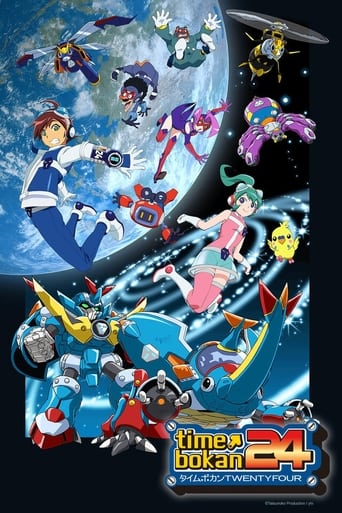
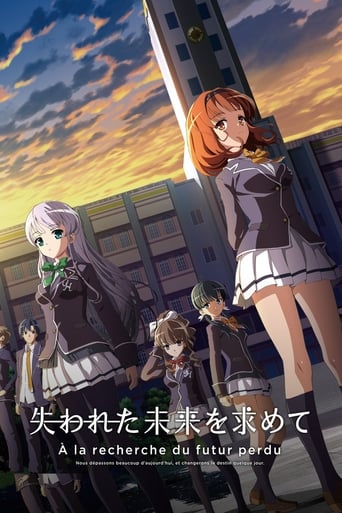
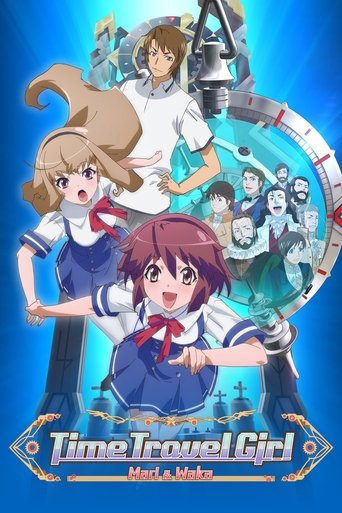
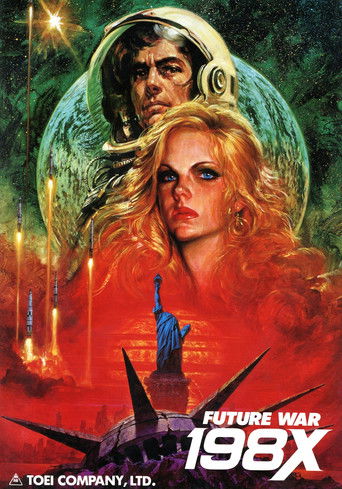
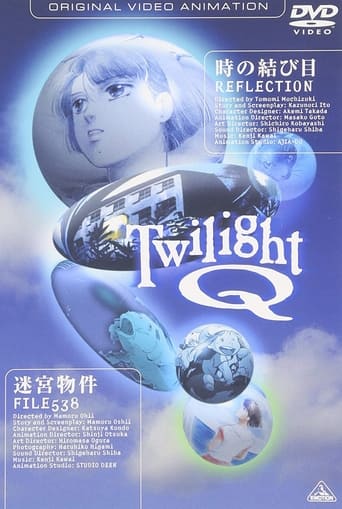
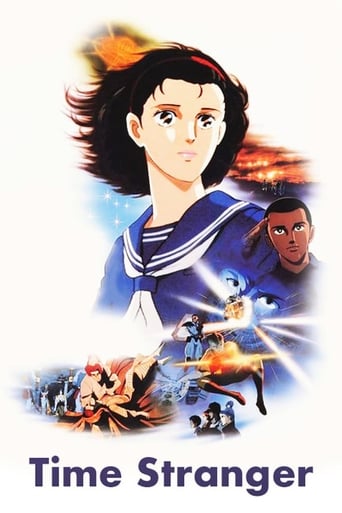
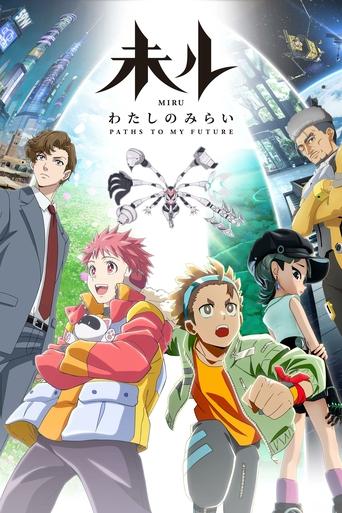
Space-Time Traveler - Time Stranger sends the crew of the GoShogun series back through history, and Fire Tripper, from Rumiko Takahashi, throws a schoolgirl back five hundred years by a gas explosion. Time Travel Girl is a cheerful educational series about a girl who meets the great scientists of electricity, and Time Bokan 24 revives the classic comedy franchise with villains who travel back to prove that history books are wrong. Rainbow Fireflies is a beautiful Toei film about a boy who travels back to a summer in a mountain village that later disappeared under a dam lake. In Search of the Lost Future and Twilight Q explore loops and strange messages from the future, MIRU: Paths to My Future follows a robot who travels across eras to help people and Future War 198X imagines a near-future war from the vantage of the early 1980s.
Aliens and robot friends
Science fiction is also a wonderful genre for children, full of friendly robots, curious aliens and machines that turn into cars and trains. The Aliens and robot friends shelf gathers more than forty titles for younger viewers and the whole family.
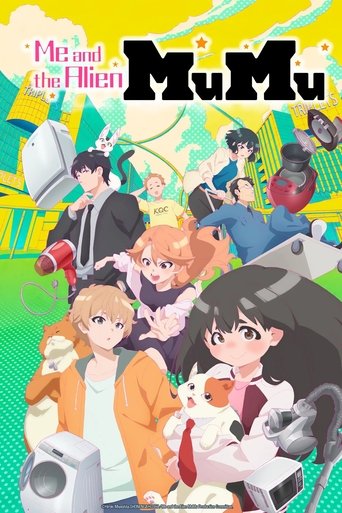
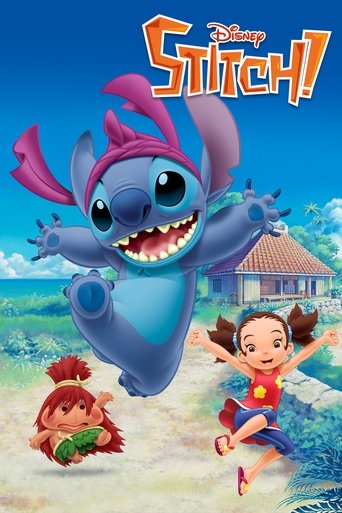
Stitch! moves Disney's mischievous alien experiment to a small island in Okinawa, where he befriends a girl named Yuna and tries to do enough good deeds to have a wish granted. Stitch & Ai sends him to the Huangshan mountains in China. Me and the Alien MuMu follows a cat-like alien studying Earth's household appliances, and Too Cute Crisis follows an alien invader who falls in love with Earth's cats and puts the invasion on hold. Me & Roboco is a very silly comedy about a boy who dreams of a cute maid robot and gets Roboco instead, and Me & Roboco: The Movie continues the fun.
Science fiction can be calm as well as thrilling. Some of the most memorable titles on AniFlix are small, calm and full of feeling, and the Quiet sci-fi shelf gathers close to thirty of them.
Apocalypse Hotel is a perfect example. Long after humanity has left the Earth, a hotel in Tokyo's Ginza district is still kept spotless by its robot staff, who wait day after day for guests to return. When visitors finally arrive, they are aliens, and the hotel's robot manager Yachiyo sets out to welcome them with the same care she has always shown. The series is funny, touching and endlessly inventive in only twelve episodes.
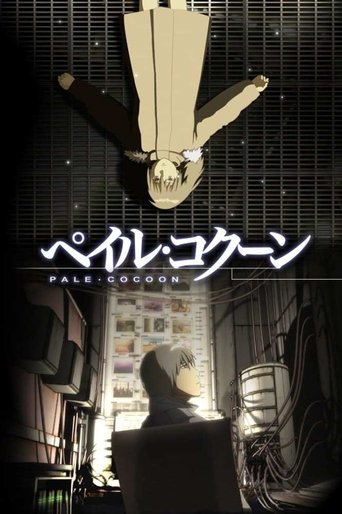
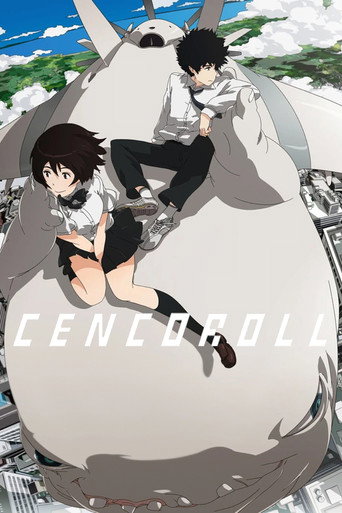
Several short films are made almost single-handedly by one or two artists. Pale Cocoon, from Yasuhiro Yoshiura, follows a young archivist digging through old records to learn what happened to the world above. Rain Town, by Hiroyasu Ishida, visits a town where rain has fallen for as long as anyone remembers, where a girl meets a small robot waiting patiently for its owner. Cencoroll, by Atsuya Uki, is a playful tale of shape-shifting creatures. The Day I Bought a Star is a short film made by Hayao Miyazaki for the Ghibli Museum, about a boy who grows a tiny planet from a seed, and Half-Broken Music Box is a gentle story about a lonely man and his household android.
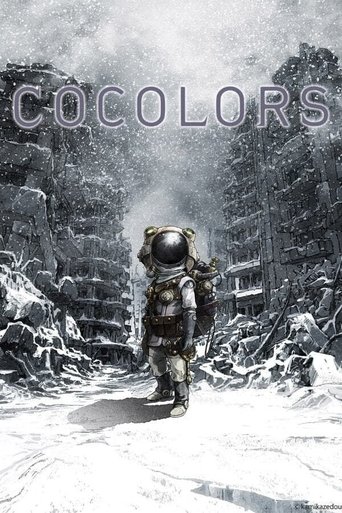
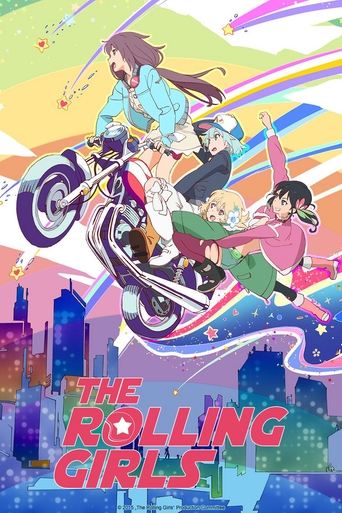
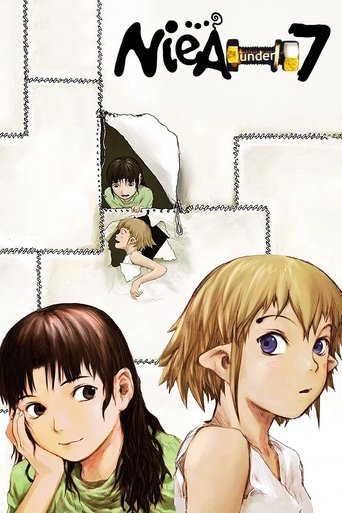
Longer stories keep the same calm. Aria the Avvenire returns to Neo-Venezia, a city of canals on a terraformed Mars, where young gondoliers train to guide visitors. NieA_7 is a slow, funny series about a student and the scruffy alien who lives in her closet, above a public bath. Iriya's Sky, Summer Of UFOs follows a boy who meets a mysterious girl at the school pool on the last day of summer. The Rolling Girls sends four young women on a road trip across a Japan split into rival states, and Break of Dawn follows a group of children who meet a strange visitor from space during a summer vacation in 2049. Make a Girl is a 2025 film about a teenage inventor who tries to build the perfect girlfriend and learns much more than he expected, and Cocolors follows a boy in a masked community after a disaster.
Chinese sci-fi
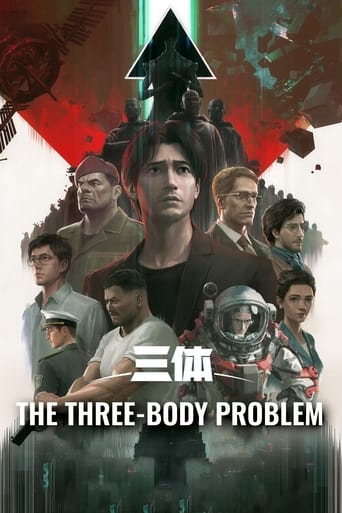
Chinese animation, known as donghua, has grown quickly, and science fiction is one of its strongest genres. The Chinese sci-fi shelf is small but includes The Three-Body Problem, a fifteen-episode animated adaptation of Liu Cixin's famous novel about humanity's first contact with a distant civilisation, and The Age of Cosmos Exploration, in which a special forces team races to save Earth from neutron star fragments. The Defective imagines a society ruled by a mind-link system that removes pain and worry, and follows those who are left outside it, and Stitch & Ai takes Disney's alien to the Chinese mountains.
Every shelf on AniFlix
The full list of shelves lives on the collections page, and every shelf is also linked from the Filter by shelf panel on the home page. All sci-fi anime holds the complete library on one page. Series gathers the television and web series, and Films gathers the feature films, compilation films, short films and specials.
The era shelves divide the history of the genre into three chapters. 1976 to 1989 covers the classic age of Yamato, Harlock, Galaxy Express 999, Zambot 3, Voltes V and the first video releases. 1990 to 2009 covers the years of Patlabor, Cyborg 009, Heat Guy J, Tetsujin 28 and the GaoGaiGar finale. 2010 to 2025 brings the story up to Yamato 2199, Atom: The Beginning, Planet With, Brave Bang Bravern! and Apocalypse Hotel. Finally, Top rated lists the titles with the highest audience scores.
Watching a title, step by step
AniFlix is a guide, and every title page leads to the official services that carry it. The how to watch guide walks through the steps. Choose a title from the spotlight, a row, a shelf or the search. Read its page, which shows the story, the studio, the voice cast and, for series, every episode with its air date. Then choose your country and press Watch now, and JustWatch lists every official service that carries it, including subscription platforms, rental shops and free channels with adverts.
The where to start guide suggests a short route into the genre for newcomers, and the robots guide explains the two great robot traditions. The finding a title guide explains how search works with English titles, Japanese titles and episode numbers: type a title, or add a season and an episode, and search takes you straight to the right page.
The subtitles and dubs guide explains how to choose between Japanese audio with subtitles and a dubbed track. Many titles here have English dubs, and some services also carry Hindi and other language tracks, a nod to the site's roots. The free sci-fi anime guide explains how to find titles that stream at zero cost with adverts, and the where AniFlix titles stream guide gives a short overview of the official services. The apps and devices guide covers phones, tablets, computers and televisions.
A few more guides answer everyday questions. The streaming safely guide is a short checklist for accounts and passwords. The official site guide shows how to recognise AniFlix, and the site status guide lists quick fixes when a page looks odd, which usually means a reload. The My List guide explains how to save titles, tick off episodes and move your list between devices.
Viewing routes through the genre
Science-fiction anime is a huge field, and it helps to have a route. Here are a few, each built from titles on AniFlix, with a mix of short and long so you can pick one that fits the time you have.
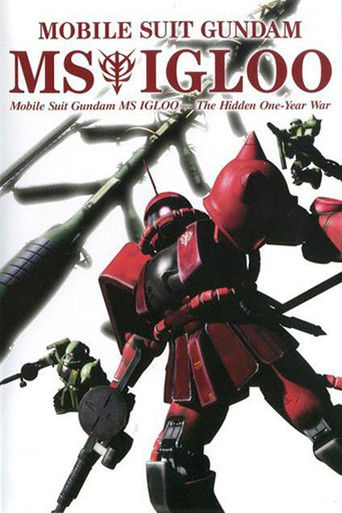
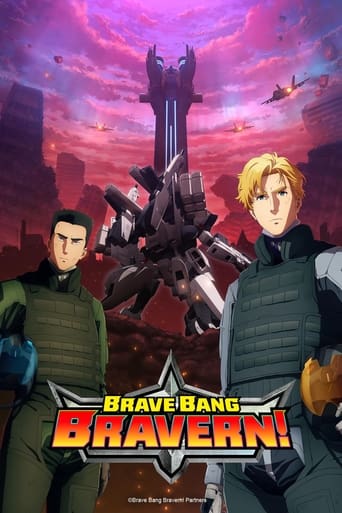
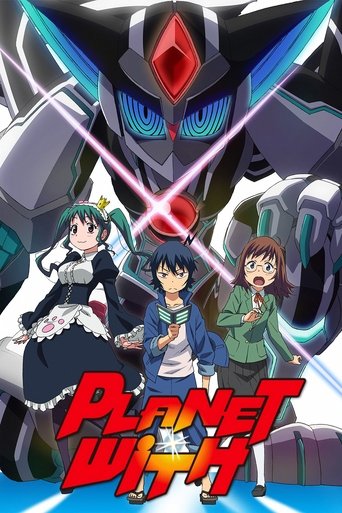
The machine route follows the robots. Start with Planet With, twelve episodes that playfully take apart the super robot formula and put it back together with heart. Move on to Mobile Suit Gundam MS IGLOO for a grounded view of the One Year War, then King of the Braves GaoGaiGar FINAL for pure, joyful excess. For a modern twist, Brave Bang Bravern! mixes both traditions with great comic timing.
The city route follows the cyberpunk tradition. Begin with Appleseed, move to Atom: The Beginning to see how a gentle robot story can be science fiction too, then watch Beatless or A.I.C.O. -Incarnation- for a full series about machines and bodies. Heat Guy J adds a buddy-cop story with an android partner.
The history route explores time travel. Try Thermae Romae for short, funny episodes, Nobunaga Concerto for a light historical adventure and Zipang for a serious alternate-history drama. Rainbow Fireflies makes a beautiful single-evening film for the whole family.
Save your picks in My List as you browse, and the route will be waiting for you.
Fifty years of science-fiction anime
The titles on AniFlix span half a century, and together they tell the story of how Japanese animation learned to dream about the future. In the 1970s, television studios such as Toei, Sunrise and Tatsunoko built weekly robot shows for children, and a handful of creators, including Leiji Matsumoto, Osamu Tezuka and Go Nagai, used those shows to tell stories about war, loss and courage. The success of the Yamato and Galaxy Express 999 films in cinemas showed that teenagers and adults were watching too.
The 1980s brought two revolutions. The first was the real robot, which grounded giant machines in military logic and gave their pilots complicated lives. The second was home video. Studios began to release stories straight to videocassette, free from the limits of television schedules, and this led to adventurous works such as Appleseed, Twilight Q and Space Fantasia 2001 Nights, as well as to the rich music films of the Macross franchise.
A handful of studios appear again and again on AniFlix, and knowing a little about them helps when choosing what to watch next. Sunrise is the home of Gundam, VOTOMS, the Brave series and many other robot shows. Founded by former staff of Osamu Tezuka's studio, it built its reputation on robot series that were designed with toy makers but told stories that grown-ups could take seriously. Its artists perfected the look of mechanical design, with panel lines, thrusters and heavy armour that seem to have real weight.
Toei Animation, one of the oldest studios in Japan, made the classic Yamato and Leiji Matsumoto films, Danguard Ace, Baldios, Laserion and the Japanese Transformers films, and it still makes big family films today. Tatsunoko Production, known for its bold superhero designs, gave the world Casshan, Tekkaman and Gordian Warrior. Tokyo Movie Shinsha, now TMS Entertainment, made Space Cobra, GodMars and Space Fantasia 2001 Nights, often with the director Osamu Dezaki, whose freeze-frame postcards and split screens remain instantly recognisable.
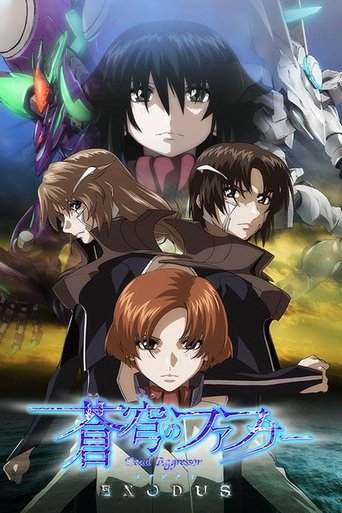
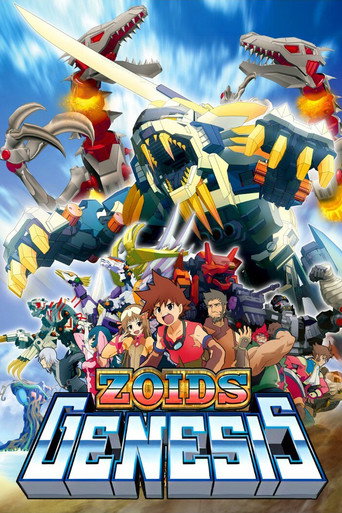
Among newer names, Xebec made Yamato 2199, Fafner and Steam Detectives; Satelight, closely linked to the Macross creator Shoji Kawamori, carries the Macross and Aquarion flames; Polygon Pictures pioneered cel-shaded computer animation for series such as Knights of Sidonia; and OLM, best known for Pokémon, made Atom: The Beginning, the Zoids series and several of the family titles here. Bones, the studio behind A.I.C.O. -Incarnation- and the Eureka Seven films, is famous for fluid action and bold ideas.
Independent creators matter too. Yasuhiro Yoshiura, Hiroyasu Ishida, Atsuya Uki and Gensho Yasuda all began by making short films almost on their own, and their work on AniFlix shows how one person with a computer and a strong vision can build a whole world. Following a favourite studio or creator through the shelves is one of the most rewarding ways to explore the genre.
A launch pad for sci-fi anime
AniFlix is built for anyone who loves science-fiction anime, whether you grew up with Voltes V and Captain Harlock, discovered Gundam and Macross as a teenager or simply want to find a thoughtful story about robots and the stars. Every title has been chosen by hand, every page leads to official services and every shelf is designed to make the next choice a little easier. Start with the spotlight, follow a row that catches your eye and enjoy the journey.
Questions
What is AniFlix?
AniFlix is a guide to science-fiction anime, series and films, with a Watch now button on every title page that opens it on the official services in your country.
How do I watch a title?
Open the title page, choose your country and press Watch now. JustWatch opens with the official services that carry it where you live.
What is the difference between real robots and super robots?
Super robots are heroic giants with special attacks, like Getter Robo and GaoGaiGar. Real robots are military machines with fuel and repairs, like Gundam, VOTOMS and Patlabor.
Where should a newcomer start?
Try Galaxy Express 999: The Movie for one evening, Planet With or Apocalypse Hotel for a short series and Space Battleship Yamato 2199 for a long voyage.
Are there dubbed versions?
Many titles have English dubs, and some services also carry Hindi and other language tracks. Check the audio menu in the player after pressing Watch now.
Which titles suit younger viewers?
The Aliens and robot friends shelf gathers family titles such as Stitch!, Me and Roboco, the Zoids series and the Transformers films.
How do I keep track of a long series?
Add the series to My List and tick the episodes you have watched. Your place is kept in your browser.
Where do the scores and details come from?
Scores, episode lists, cast and studio details come from TMDB, and the Watch now button uses JustWatch to list official services.